
I’ve spent a little over a decade delivering ABA Therapy across homes, clinics, and public school settings, mostly as a Board Certified Behavior Analyst working directly with children and their families. My understanding of this work didn’t come from textbooks alone—it came from living rooms where sessions were interrupted by siblings, classrooms where aides rotated weekly, and long evenings spent explaining data sheets to parents who had already been promised progress more than once. ABA is often introduced as neat and systematic; in practice, it’s human, uneven, and deeply dependent on how well it’s actually implemented.
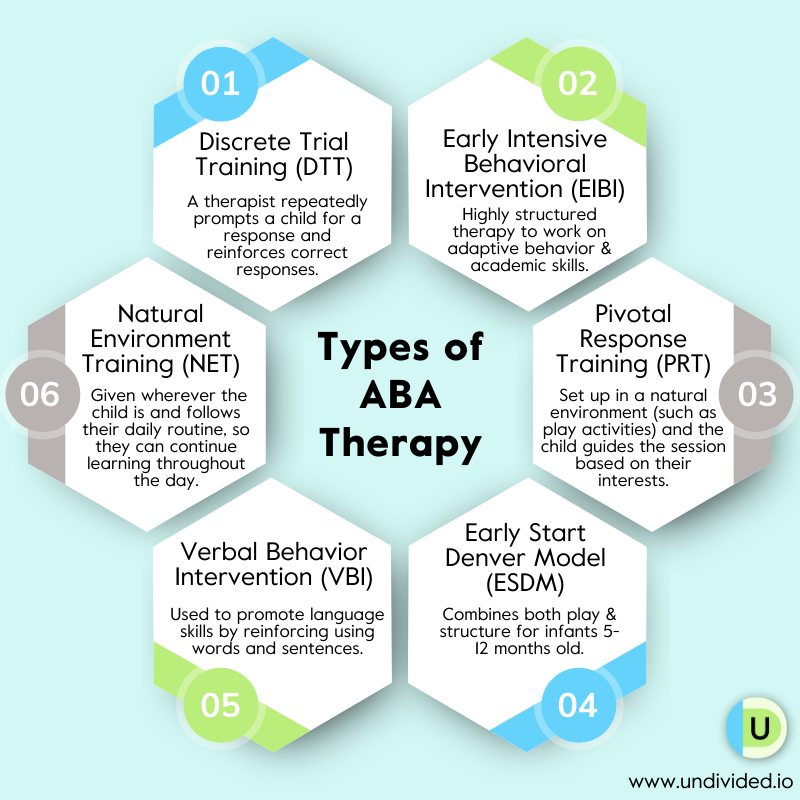 Early in my career, I worked with a family whose child had already “done ABA” twice before meeting me. On paper, they’d logged hundreds of hours. In reality, most sessions had been rigid drills delivered at a kitchen table while the child was clearly overwhelmed. The parents weren’t resistant to therapy—they were exhausted by it. That experience shaped how I approach ABA to this day. I’ve found that the method itself isn’t the problem; it’s how easily it can be misapplied when providers chase compliance instead of understanding behavior.
ABA Therapy, at its core, is about learning patterns—what happens before a behavior, what follows it, and why it continues. That sounds clinical, but in real life it means noticing that a child bolts from the room not because they’re “noncompliant,” but because transitions were never taught gradually. It means realizing that a spike in aggression often follows well-meaning adults talking too much during moments when fewer words would help more. These are things you only notice after sitting through dozens of sessions that don’t go as planned.
One of the most common mistakes I see is treating ABA like a fixed program rather than a responsive process. I once inherited a case where the treatment plan hadn’t meaningfully changed in over a year, even though the child had grown, the school placement had shifted, and the family dynamic looked completely different. Progress had stalled, and everyone blamed the child. Within a few weeks of adjusting goals and loosening the session structure, we saw engagement return. That kind of course correction doesn’t happen if a clinician isn’t actually present and observing, rather than just supervising from a distance.
Another issue families don’t always hear about upfront is staff turnover. I’ve supervised talented technicians, but I’ve also seen how inconsistent staffing can quietly undo months of work. Skills taught by one person don’t always generalize to another, especially if the child wasn’t taught flexibility along the way. When parents ask me what to look for in a provider, I tell them to ask how new staff are trained and how transitions are handled. If the answer is vague, that’s a real concern.
I’ve also had to advise families against increasing hours simply because a provider suggested it. More ABA isn’t always better. I remember a child who was scheduled for nearly full-time therapy while also attending school. By mid-afternoon, he was done—no learning was happening, just survival. We reduced hours, focused on fewer goals, and progress actually accelerated. ABA works best when it respects attention, motivation, and the rest of a child’s life.
That doesn’t mean ABA should be gentle to the point of ineffectiveness. I’ve seen meaningful gains come from well-run, structured teaching—especially for communication, daily living skills, and safety. A teenager I worked with last spring learned to tolerate public transportation through carefully planned exposure and reinforcement. It wasn’t flashy, and it took patience, but it changed his independence in a real way. That’s the side of ABA that keeps me in this field.
Parents often ask me whether ABA Therapy is “right” for their child. I don’t give blanket answers. I look at whether the provider is willing to individualize, whether data is used to inform decisions rather than justify them, and whether the child’s dignity is protected during hard moments. If a program relies heavily on scripts, ignores distress, or can’t explain why a strategy is being used, I’m skeptical—even after all these years.
After a decade in practice, my perspective is simple: ABA is a tool, not a guarantee. In skilled hands, it can open doors that once felt permanently closed. In careless ones, it can feel intrusive and ineffective. The difference isn’t the label on the service—it’s the experience, judgment, and flexibility of the people delivering it, session after session, long after the intake paperwork has been filed away.