
As a biomedical engineer with over ten years of experience designing anatomical models for hospitals and research centers, I’ve seen firsthand how difficult it can be for surgeons and medical staff to translate 2D imaging into actionable procedures. That changed the day I first worked with medically accurate 3d models. These aren’t just visual representations—they are precise, tangible models that let you examine complex anatomy from every angle, enhancing both planning and understanding.
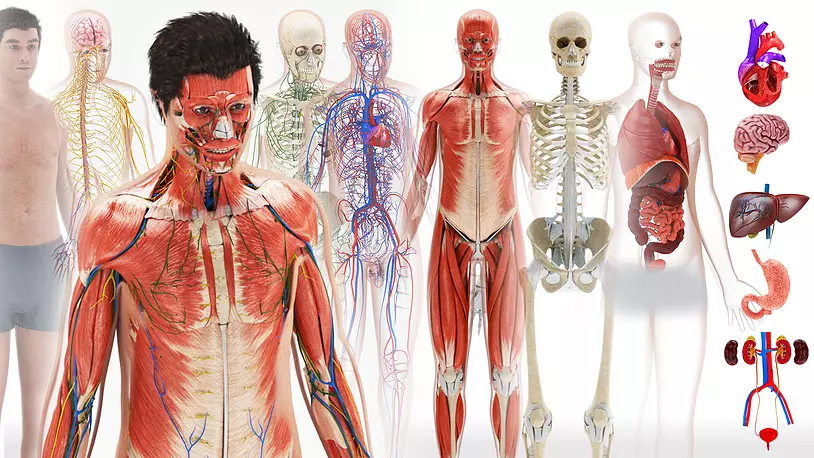
I recall a project last spring where a surgical team was preparing for a complicated cranial reconstruction. The CT scans gave them a general idea, but the bone structure had unusual variations that weren’t immediately obvious. Using a 3D model, we could simulate the surgery beforehand, test different approaches, and even determine the best placement for implants. The procedure in the operating room went smoother than anticipated, saving hours of potential trial-and-error adjustments.
Another example involved designing a spinal implant for adolescent patients. Early prototypes looked sound on computer software, but once we created 3D-printed models of several spines, we discovered subtle curvature differences that would have affected the implant fit. Making adjustments at that stage prevented costly production errors and ensured a better fit for patients. I’ve found that having a physical model often highlights nuances you simply can’t see on a screen.
Finally, I’ve seen how these models improve training for interns and junior engineers. I mentored a group of new staff who were struggling to understand liver vasculature for a transplant case. Handling the 3D model allowed them to trace every vessel in three dimensions, turning what was previously abstract into something immediately comprehensible. The learning curve accelerated dramatically, and their confidence entering the operating theater was noticeably higher.
In my experience, one common mistake is relying solely on digital imaging without physical reference. While software is helpful, it doesn’t provide the spatial and tactile feedback necessary for planning complex procedures. Integrating medically accurate 3D models into workflows—from surgical preparation to device prototyping—is not just helpful; it is a step that improves precision, reduces risk, and ultimately leads to better outcomes.
These models have reshaped the way I approach every project, from design to patient interaction. In both professional and educational settings, they offer insight that is otherwise difficult to achieve, making them an indispensable part of modern medical practice.